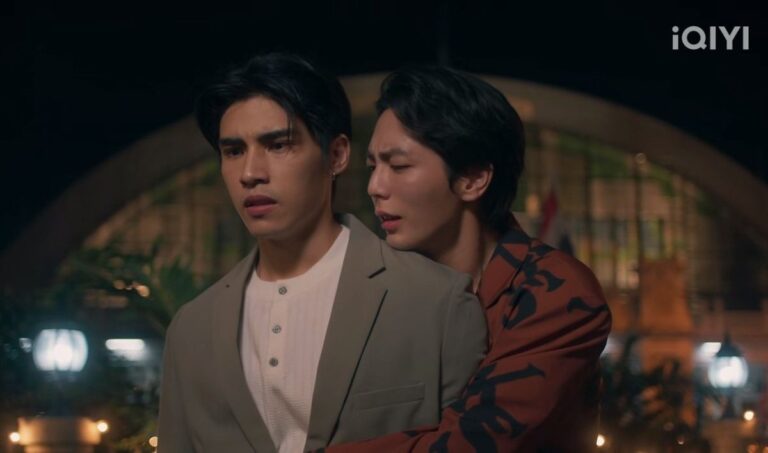

My Stand-In left its mark: look back at how Up Poompat and Poom Phuripan bring Ming and Joe to life in this BL of reincarnation, action and dark romance.

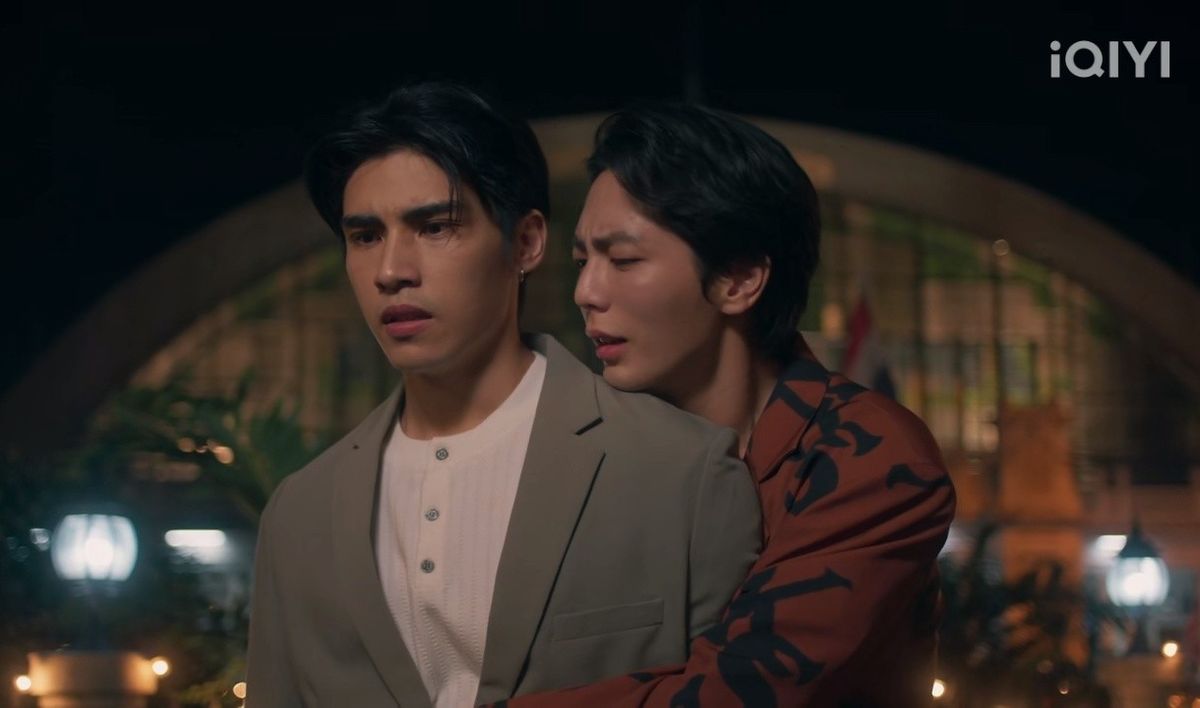
My Stand-In left its mark and is well worth rewatching. The series shone by blending dark romance, reincarnation, action and intense drama. More than the chemistry, what makes it special is how it develops its characters and gives the actors room to show their talent.
It also matters because it adapts Professional Body Double, from Shui Qian Cheng’s 188 Group danmei universe. Known for complex relationships and controversial characters, this universe requires care to preserve the original’s nuances. The series took on the challenge and became a reference for international audiences. It ran for 12 episodes, aired between April and July 2024, and the show’s page on MyDramaList lists the cast and details.
The blessing ceremony on November 8, 2023 marked the beginning of it all, and today it turns three. Looking back at that moment means recognizing the scale of the project and the effort it took to turn such a dense story into an audiovisual production.
A demanding production
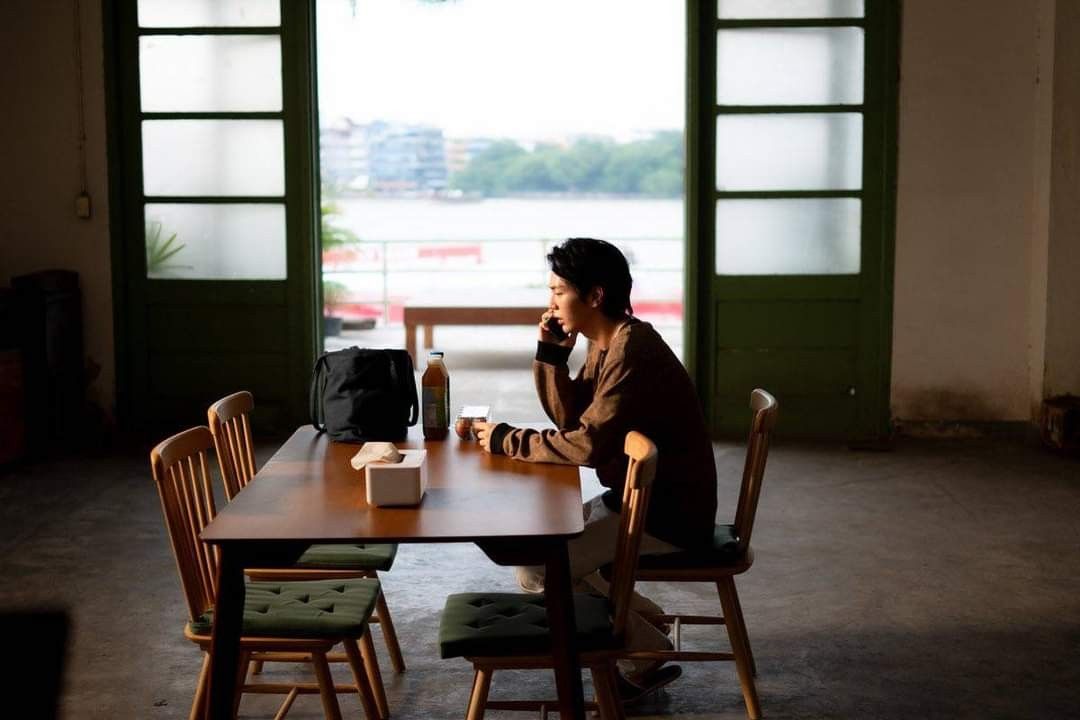
Producing a BL like My Stand-In takes care. The plot brings together twists, parallel conflicts and characters full of contradictions, without relying on a simple romantic narrative. The direction has to balance emotional intensity with action sequences, while the technical side helps build the story’s atmosphere.
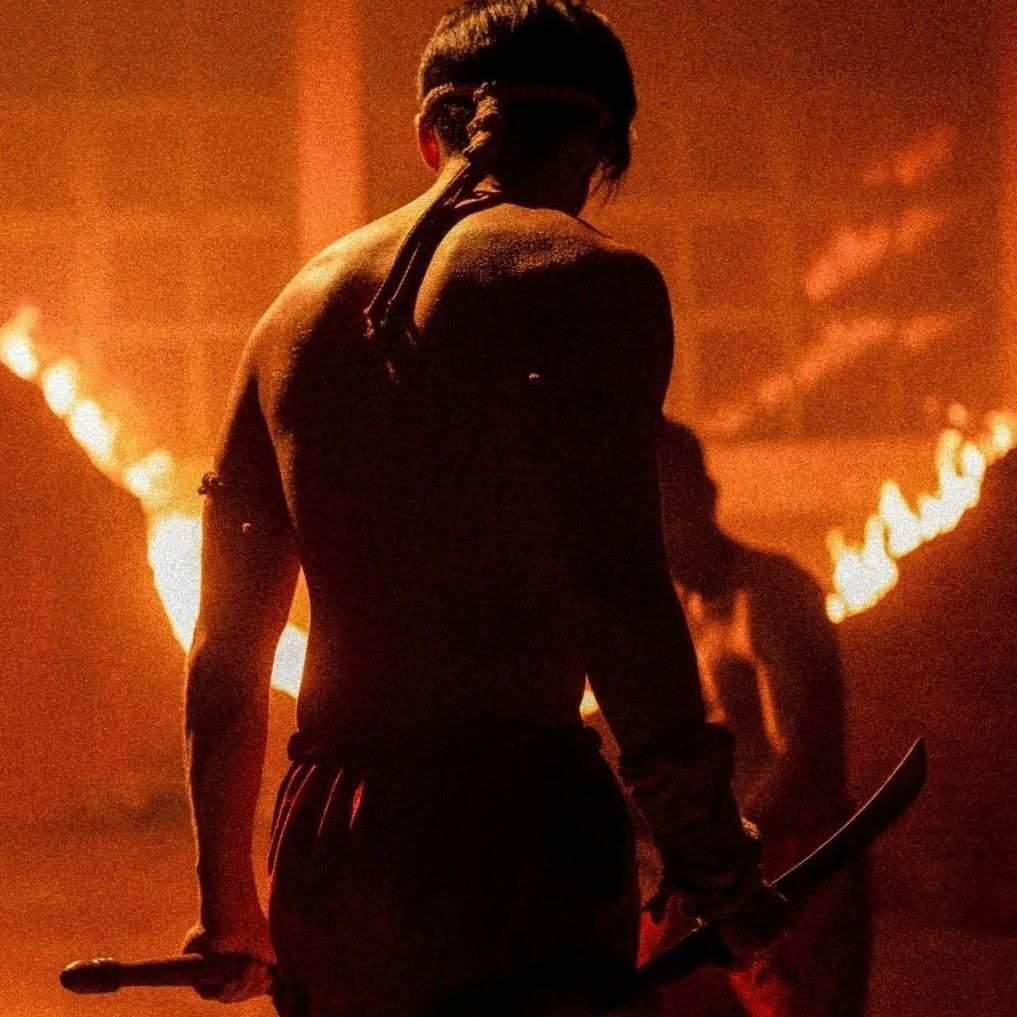
The cinematography, the art direction and the action scenes, such as Joe working as a stunt double within the series, add up to a production that understands its own premise. The more intimate moments are given room to breathe, while the high-tension sequences manage to convey the weight of what is happening. It’s a whole that showcases the cast’s work and helps turn a complex story into an experience that holds our attention.
Poom Phuripan and the complexity of Joe

Joe is the heart of the story. A dedicated, generous and loyal professional, he believes he is building a real relationship with Ming, until he discovers he is being treated as a substitute for someone else. He becomes a double/stand-in both in his professional life and in his personal life. What makes this so painful is realizing that everything Joe offered sincerely was not received in the same way.
Even hurt, he chooses to walk away instead of turning his pain into revenge. That decision says a lot about the character and his ability to recognize that loving someone doesn’t mean accepting any kind of treatment.
After death and reincarnation, Joe has to deal with his own past while trying to build a different life. He comes back with other professional opportunities and a new family structure, but that doesn’t erase the trauma or automatically resolve what was left behind. Poom conveys this change without losing Joe’s essence, showing someone who still has feelings but now needs to protect himself.
Poom’s performance stands out for its richness of detail. Through micro-expressions, posture and vocal modulation, the actor efficiently conveys vulnerability and distrust, fear, sadness, happiness and neediness, among other feelings some scenes demand, without needing expository dialogue to express the character’s psychological complexity.
In addition, Joe’s physical side, which requires fight choreography and precise movements, is carried out by Poom with total credibility. His physical preparation blends with the emotional weight, establishing the stunt double role as an organic part of the character’s identity rather than a merely aesthetic device. Poom is an excellent actor, and in these fight scenes especially he delivers a top-level performance, raising the bar for physical scenes in Thai boys love productions.
Up Poompat and Ming’s contradictions
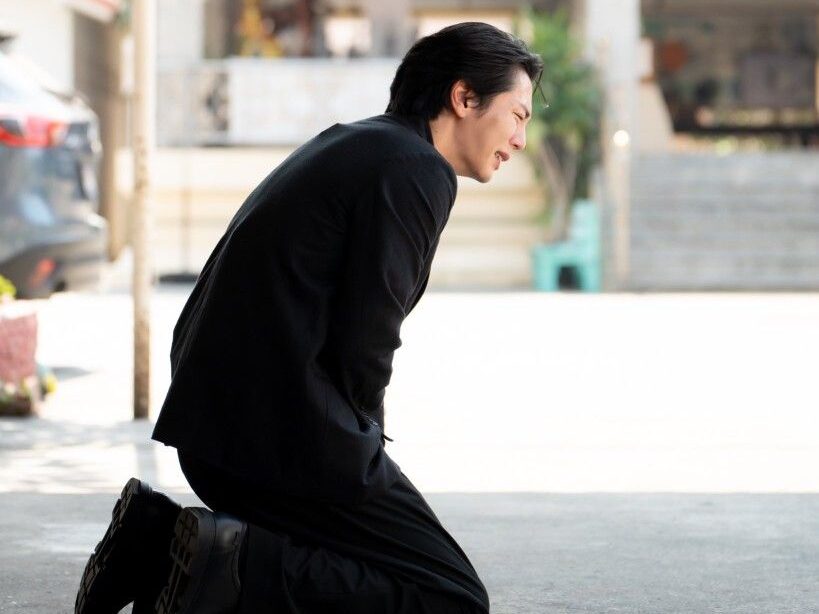
Ming is a hard character to follow precisely because his actions aren’t always easy to accept. Self-centered, possessive and controlling, he is used to being in a position of power and believes he can steer his relationship with Joe according to his own needs. His emotional immaturity makes him confuse affection with ownership and fail to notice, or refuse to notice, how much he hurts someone who truly loves him.
Up Poompat manages to give depth to these contradictions. He builds Ming’s arrogance without trapping the character in a single expression, using shifts in his gaze, posture and way of speaking to reveal what lies behind that confidence. When the life he thought he controlled begins to fall apart, the performance follows that rupture without turning the character into someone else overnight.
Joe’s death is the moment Ming has to face what his actions caused. Grief, guilt and the realization that money and power can’t bring back the person he lost reveal a vulnerability that used to stay hidden. This doesn’t erase his mistakes, but it makes it possible to follow the weight of their consequences.
The funeral scene is one of the strongest examples of Up’s acting. The uncontrolled breathing, the crying and the look of despair show Ming completely losing the ability to keep up his facade. The direction also adds to the intensity of the sequence, using silence and framing without overdoing the drama. And Joe watching his own funeral adds an even more painful layer to the scene.
It’s a performance that demands emotional control and precision. Up has to show not only Ming’s suffering but also the struggle of someone who never learned to deal with his own emotions and now has to face an irreversible loss.
What makes this duo work
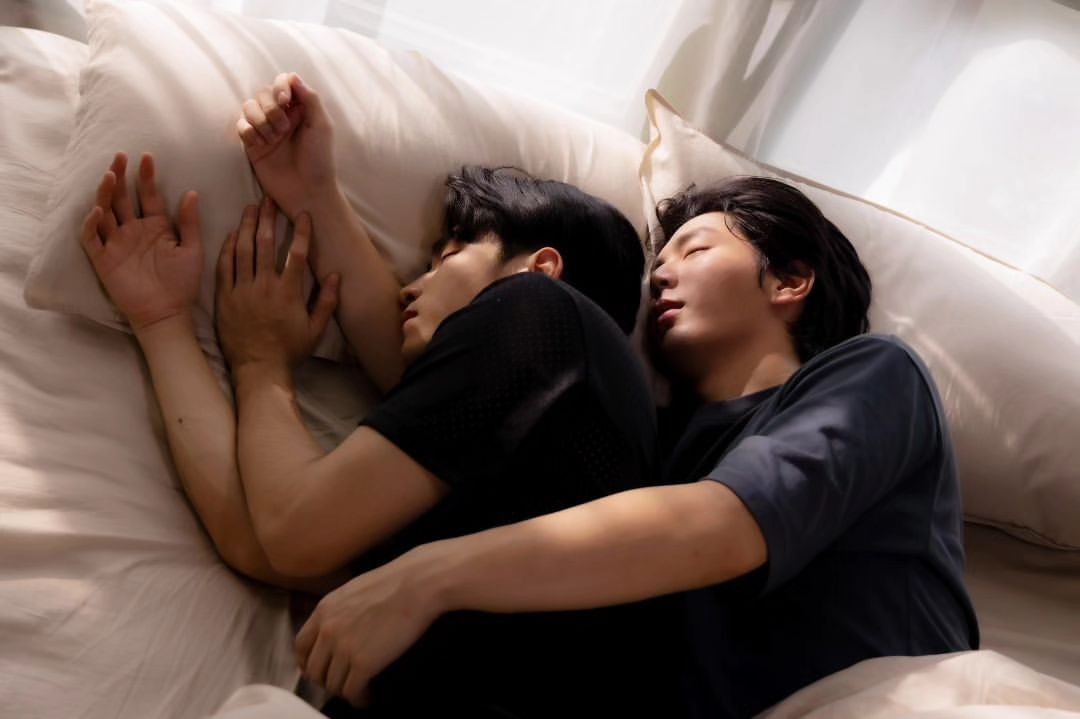
The chemistry between Up and Poom works because it doesn’t rely only on the attraction between the leads. The two build a relationship in which emotional differences and the power imbalance are central to the story. Joe starts out as someone willing to offer everything he feels, giving his best to the relationship, while Ming believes he can stay in control and use Joe as a substitute for Tong.
Later, that dynamic shifts. Joe sets boundaries, and Ming has to deal with the possibility of no longer being accepted the way he expects. The actors convey this transformation without losing the characters’ individual traits. That’s exactly what makes the duo stronger: each one carries his own arc, but the performances gain new layers when they share the screen.
If you want to see the duo in another role, check out our Love of Silom review and our article on UpPoom’s return.
A second chance doesn’t erase the past
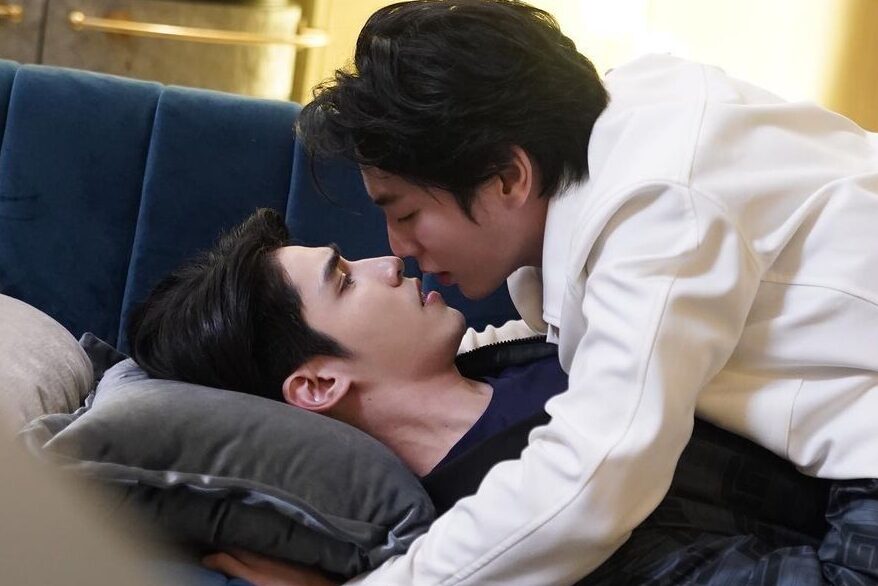
Reincarnation puts Joe and Ming back in each other’s path, but it doesn’t automatically restore the relationship they had before. Joe has to decide what to do with everything he went through, while Ming has the chance to show remorse and take responsibility for his actions as he goes through the grieving process.
For me, this is an essential point of the narrative. Ming’s suffering doesn’t work as a justification for what he did, just as his remorse doesn’t oblige Joe to forgive him. Rebuilding can only happen when there is room for different choices and when Joe’s boundaries start to be respected.
That’s why the ending means more than simply bringing the couple back together. Joe regains the ability to make decisions about his own life, and Ming has to build a relationship different from the one he lost. The second chance doesn’t erase the past, but it lets the characters face what was left unresolved in another way. And it isn’t easy. Some things repeat themselves, but from different perspectives.
Final thoughts on My Stand-In
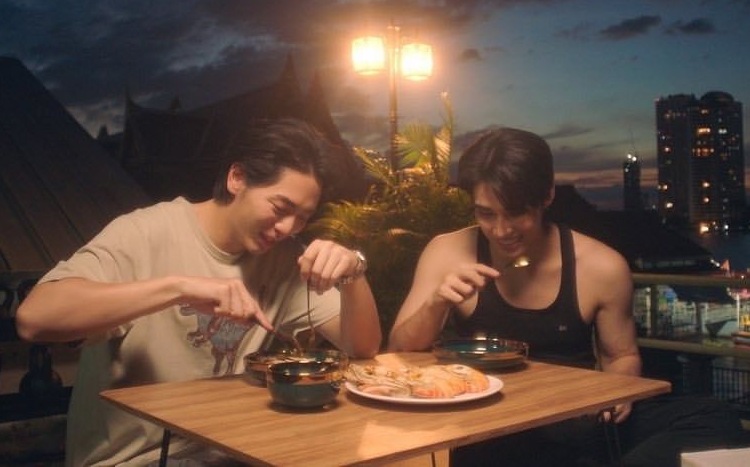
My Stand-In is a remarkable production that stands out for bringing together a well-structured narrative, technical excellence and top-level performances. Up Poompat gives Ming significant nuance and complexity, while Poom Phuripan presents a Joe with emotional expressiveness and a convincing physical presence. Both show a dedication that goes beyond on-screen chemistry, giving real depth to the leads’ journey.
It’s one of those productions that show how a good story can become even stronger when it finds actors willing to explore every layer of their characters. Up Poompat and Poom Phuripan deliver work that deserves recognition, both individually and in building this duo. In the end, what stays with you isn’t just Joe and Ming’s journey, but the experience of following flawed characters, hard choices and feelings that don’t always find a simple path. That’s why this series deserves to stay in the memory of everyone who watches BL.
Enjoyed this review? Read more: click here.