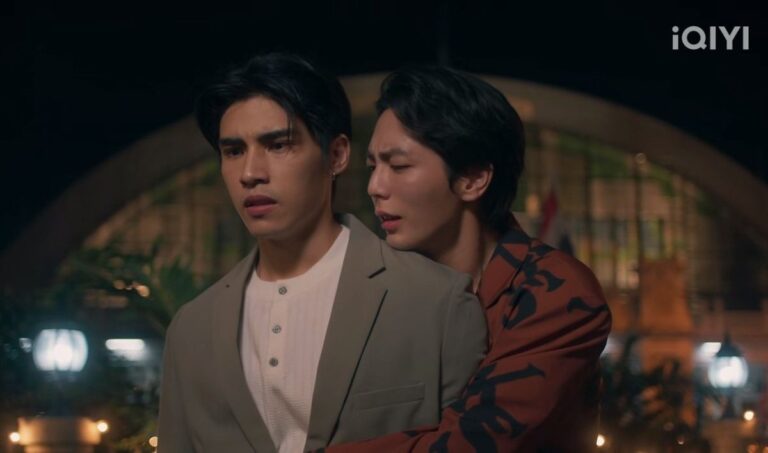
Burnout Syndrome, directed by Anucha Boonyawatana, known for striking works like Not Me, marks the return of Off Jumpol and Gun Atthaphan to the screen with a more complex and engaging script, very different from the projects both have done in recent years. This return is seen extremely positively by OffGun fans, who had long …

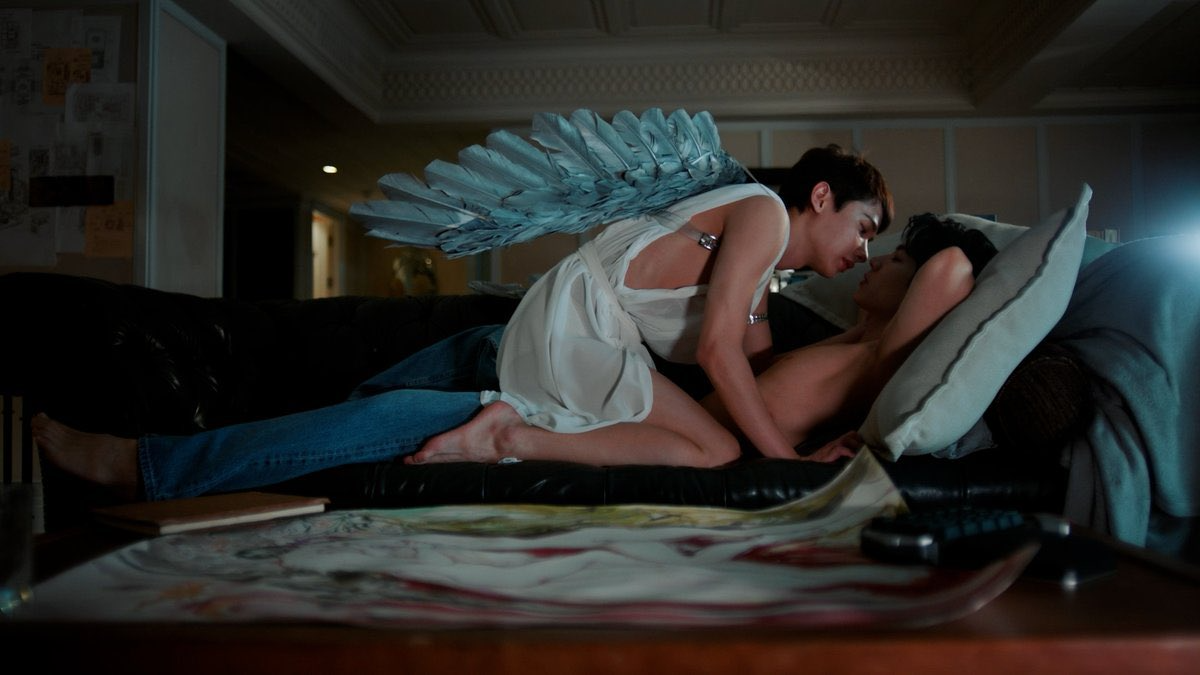
Burnout Syndrome, directed by Anucha Boonyawatana, known for striking works like Not Me, marks the return of Off Jumpol and Gun Atthaphan to the screen with a more complex and engaging script, very different from the projects both have done in recent years.
This return is seen extremely positively by OffGun fans, who had long been asking for a project that matched the actors’ talent and artistic maturity.
A complex plot
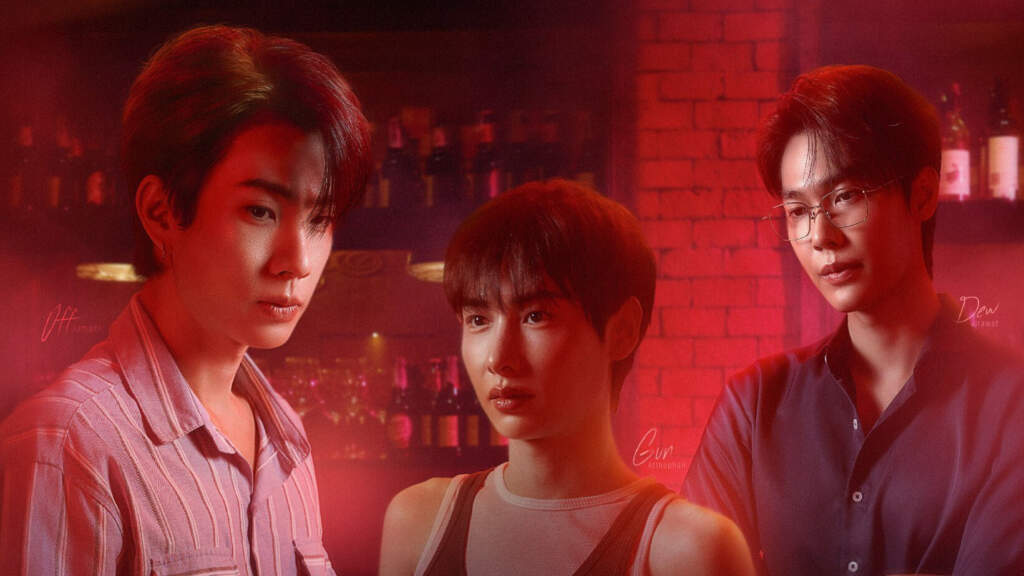
The script tackles several themes throughout the series. Jira (Gun Atthaphan) is an independent artist dealing with burnout and frustrations in the job market. He meets Pheen (Dew Jirawat), a programmer who is also going through professional conflicts and looking for ways to escape. The two meet at a bar, and an attraction quickly develops between them.
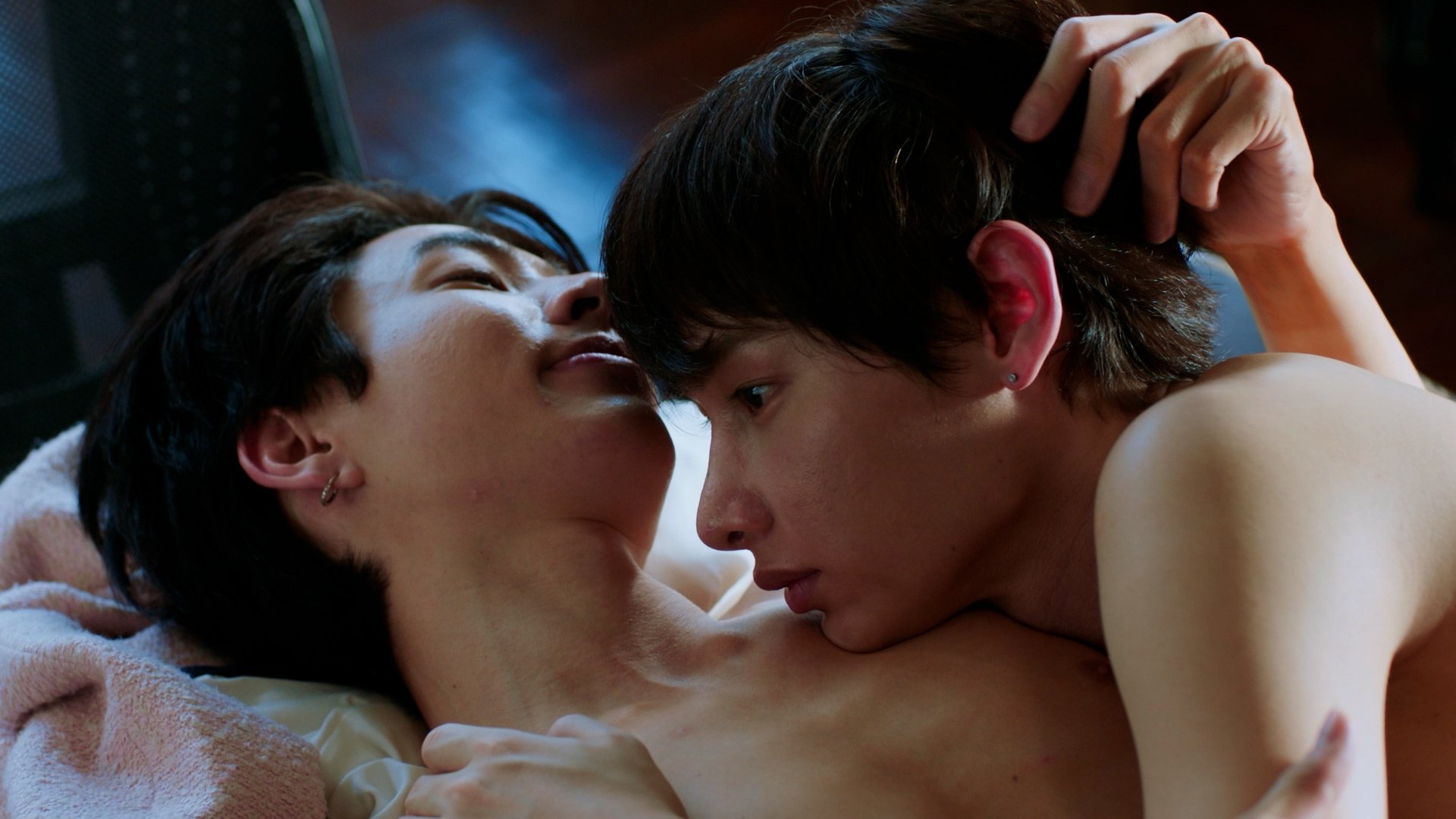
Jira’s life changes when he meets Ko (Off Jumpol), a renowned programmer in the digital world and a leading name in artificial intelligence. Ko offers Jira a job with above-average pay, something that could completely transform his life. That’s where the three become intertwined, putting Jira in a dilemma between an authoritarian, controlling boss and a sweet, attentive fling.
The series is far from being just a simple romance.
The characters’ psychological complexity
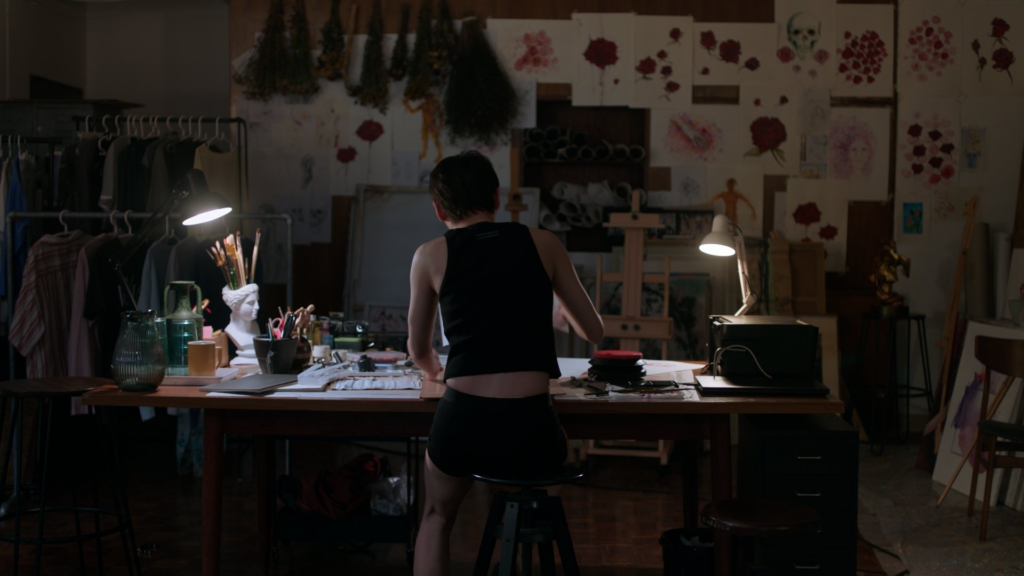
Jira is presented as someone drawn to unstable relationships, a trait that shows from the first episodes. His closeness to Ko awakens not only desire, but also a creative drive that had long been dormant. However, his biggest conflict lies in trying to assert himself as an artist in an environment that constantly invalidates his sensitivity and his work.
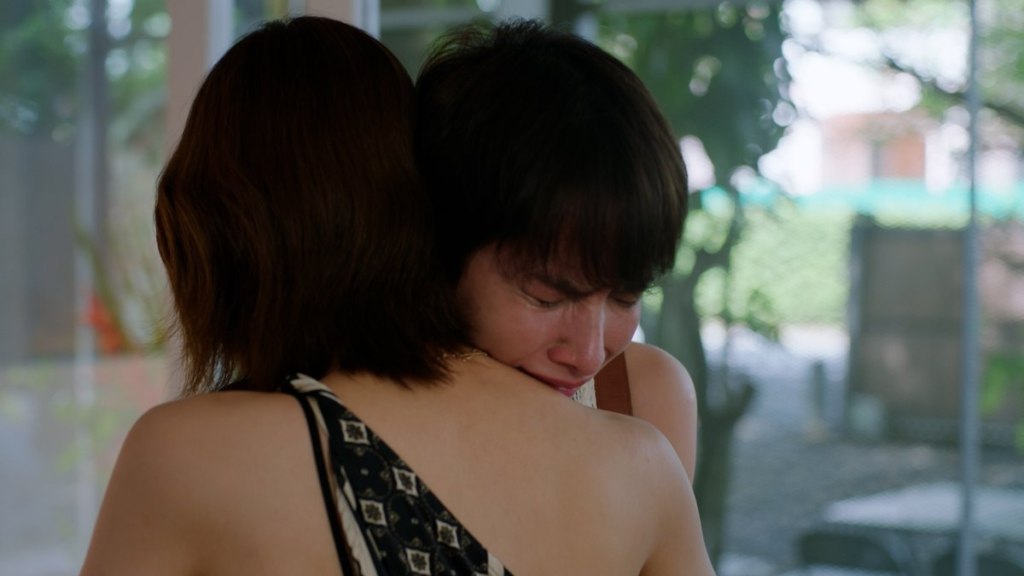
Pheen’s journey is marked by emotional dependence. His relationship with Ko, his childhood friend and boss, is built on submission and the need for approval. Even in the face of clearly abusive behavior, he stays stuck in this bond. When Jira enters his life, this dependence simply shifts focus, revealing a pattern the character seems unable to break.
Ko, in turn, is defined by past traumas, fear of instability and extreme difficulty trusting others. His relationship with the world runs through logic, control and emotional distance. Loneliness, frequent use of alcohol and sleeping pills, and constant insomnia reinforce a daily life marked by emotional disconnection.
A work to be appreciated, not just watched
The series delivers multiple layers of its characters without losing its way in the narrative. There’s no clear villain: everyone makes mistakes. The sequence of events has no plot holes and invites the viewer to constantly reflect on what’s being shown. Every line of dialogue is meticulously calculated, and even the silences within the monologues are expressive.
The dialogue flows naturally, almost improvised. All of this draws the viewer into the narrative in a vivid, immersive way.
Small details say a lot, and paying attention to them is essential for a better interpretation. The paintings Jira makes for Ko, for example, reveal a lot about both of them: about Jira’s artistic reading, his feelings and perceptions, and about Ko, feelings he couldn’t see in himself, let alone in someone else.
In Ko’s case, his behavior and even his clothing work as signals of how he feels. This is one of the elements that help us understand what may be the series’ most closed-off character, but who, on closer inspection, turns out not to be as withdrawn as he seems.
Detailed production design
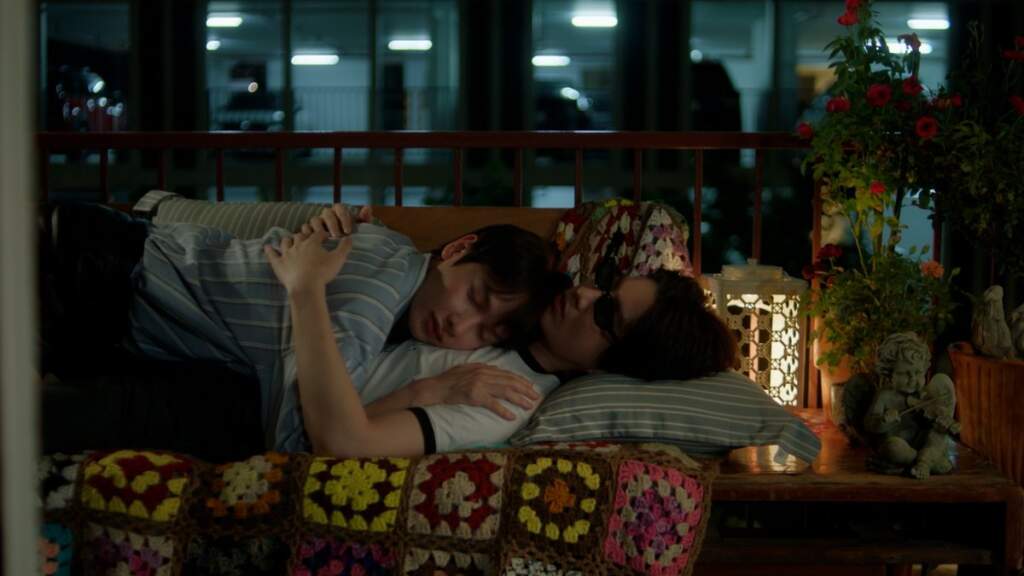
The series’ colors, details and symbolism are placed strategically, intensifying the emotions even further. At times, the cinematography leads the viewer to notice certain elements and reflect on them. At other times, the characters themselves explain these symbols. And there are situations where everything depends solely on the viewer’s attention. Either way, nothing on screen is gratuitous.
Flawless acting from a heavyweight cast
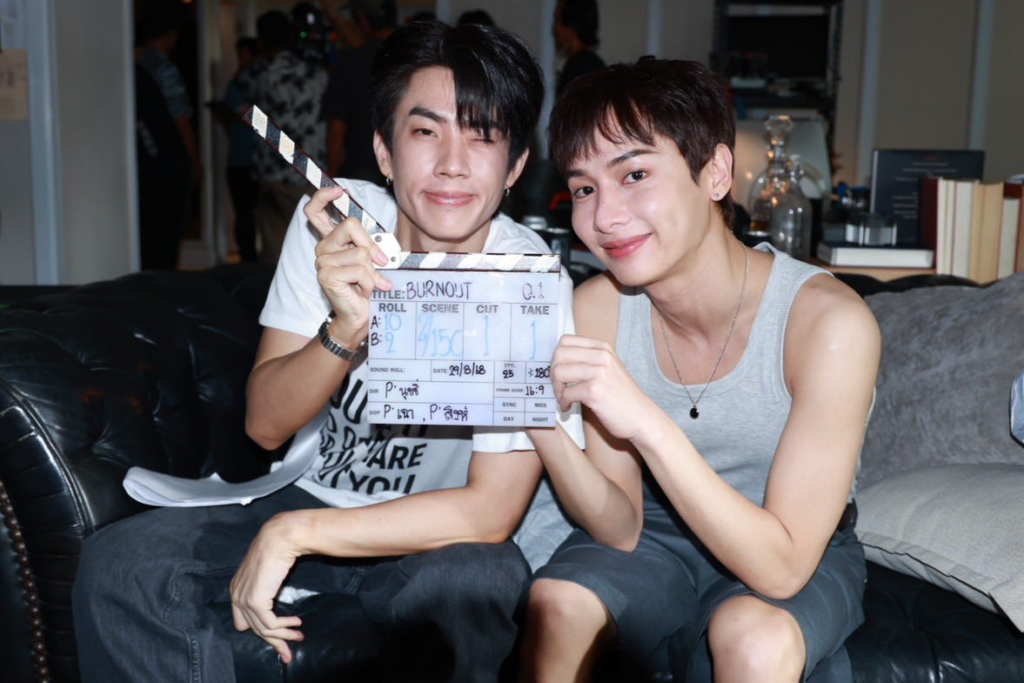
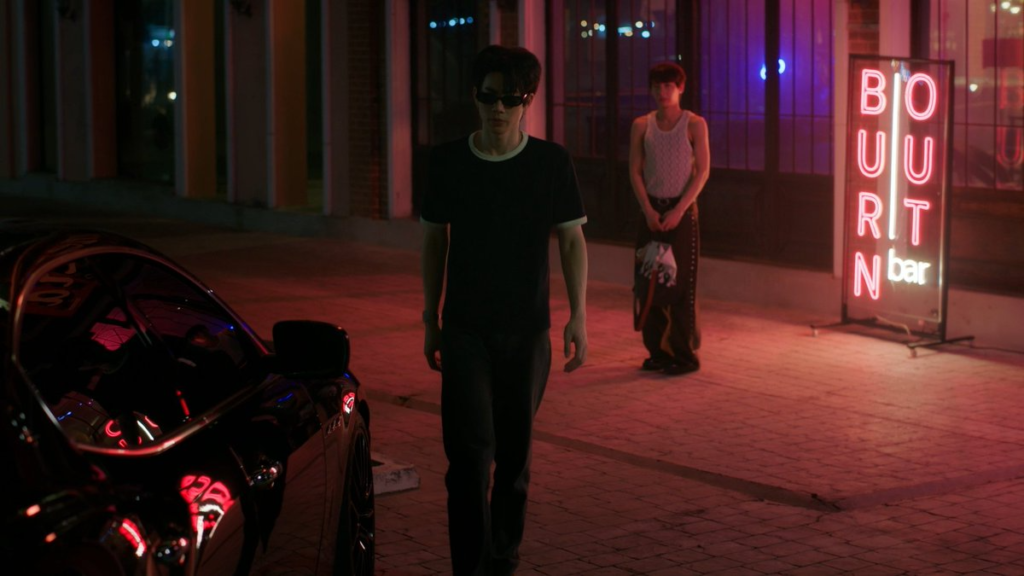
OffGun fans had been waiting for a work like this since Not Me ended. Not that the projects that followed were bad, but considering both actors’ artistic background, denser and more intense scripts highlight their level of acting even more, and Burnout Syndrome proves this with excellence.
Both show commitment and sensitivity in their roles, making it clear they were perfect choices for these characters.
It’s also impossible not to highlight Dew, who in every line conveys Pheen’s feelings in an intense, raw way. The sincerity with which the actor connects to the character gives even more weight to the anguish and frustration he goes through.
Among the industry’s best productions
Without a doubt, the series joins the list of GMMTV‘s best-crafted and most complex productions, and also the top of Off and Gun’s careers. It doesn’t just deliver a superficial romance, but a series of reflections that move between classical art and the modernity of artificial intelligence.
It’s not a series to watch absent-mindedly. It demands involvement, attention to detail, connection with the characters and openness to understanding the messages it puts forward.
Enjoyed the review? READ MORE HERE!