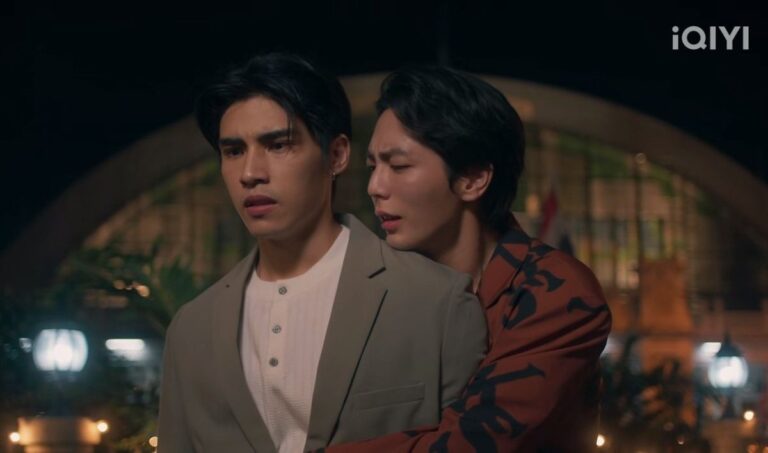

Burnout Syndrome reaches its final episode holding on to what always defined the series: intensity, discomfort and humanity. From the start, it was clear this wouldn't be an easy story to consume, and the tenth episode reinforces that by closing its arcs without romanticizing pain, without offering simple answers and without pretending everything is solved …

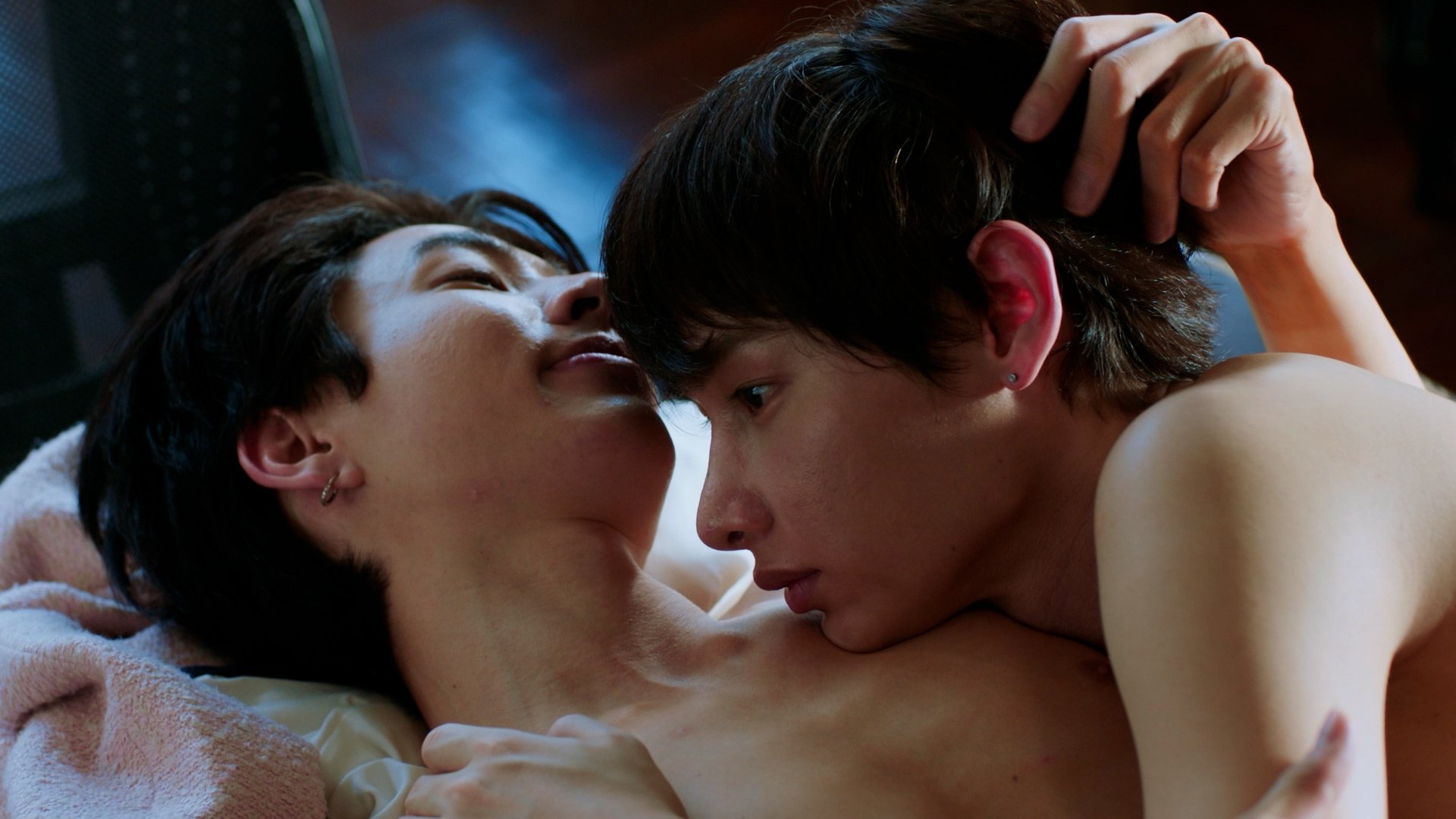
Burnout Syndrome reaches its final episode holding on to what always defined the series: intensity, discomfort and humanity. From the start, it was clear this wouldn’t be an easy story to consume, and the tenth episode reinforces that by closing its arcs without romanticizing pain, without offering simple answers and without pretending everything is solved by love.
The series speaks directly to our times. Being an adult today isn’t easy, keeping dreams alive is expensive, living off art is risky, and relationships end up crossed by work, money, frustrations and hard choices. The ending doesn’t try to soften this reality. On the contrary, it accepts that nothing lived so far was simple, and maybe it doesn’t need to be.
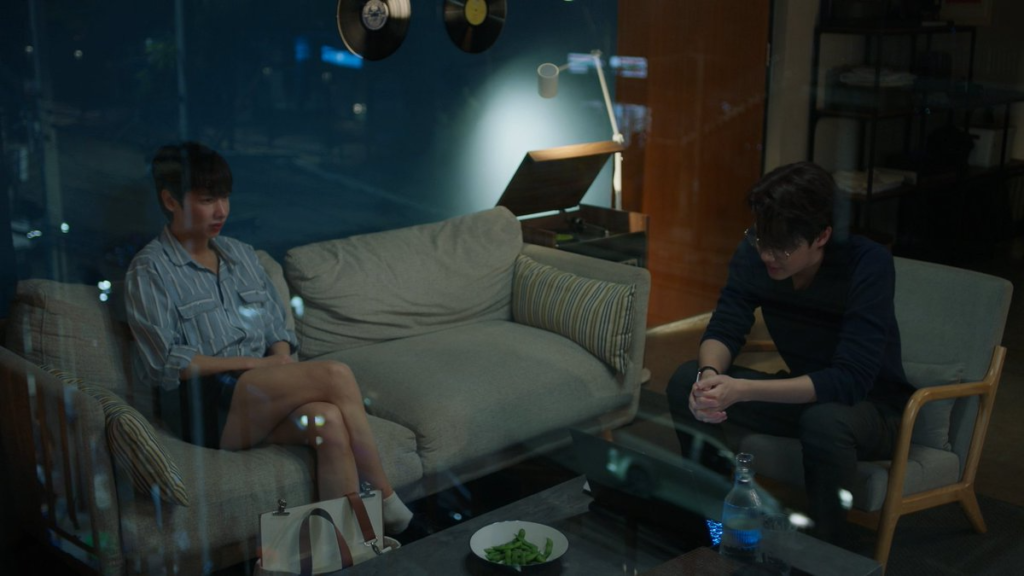
A BL that never tried to please everyone
Burnout was never designed to please every audience, and that becomes even clearer in the finale. The series talks about emotional exhaustion, professional burnout, broken relationships, frustrated ambitions, artificial intelligence and the constant fear of becoming replaceable.
It’s a more adult, realistic BL that demands attention and emotional reading. It doesn’t work with easy idealizations or with characters made to be loved all the time. Here, everyone makes mistakes, everyone hurts someone and everyone carries some guilt, and that’s exactly what makes the experience so rich.
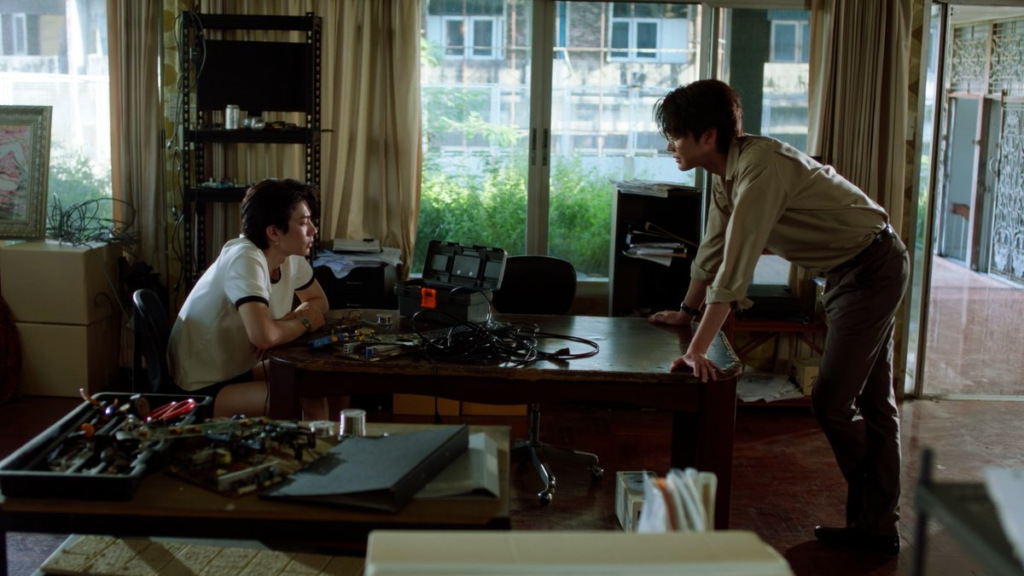
OffGun and the right moment for complex stories
The series reinforces something that was already becoming clear: Off and Gun are at a point in their careers that calls for denser narratives. After Not Me, they once again take on a story that demands maturity, commitment and risk.
It’s not about proving talent, but about carrying difficult characters through silence, looks and presence. Burnout works because there’s trust in these actors’ ability to carry heavy themes without having to explain everything in words.
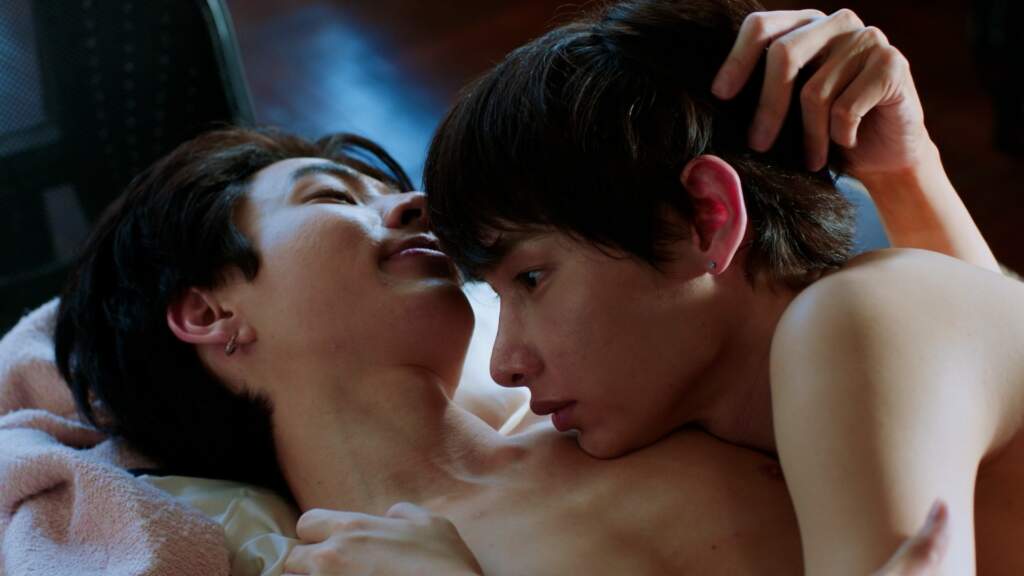
Ko: an uncomfortable character because he feels too real
Ko is undoubtedly the most complex character in Burnout Syndrome. Melancholic, controlling, emotionally unstable and deeply contradictory. He isn’t a villain, but he’s far from easy to deal with.
Off builds someone who manipulates, hurts and makes mistakes, and that’s exactly why he’s unsettling. In the final arc, we see Ko starting to give in. He questions certainties, backs away from convictions and revisits his relationship with control, power and artificial intelligence.
The breakup with Jira and the forced separation expose something he always avoided: limits. Including other people’s limits. Ko’s exhaustion isn’t an act. It drives many of his wrong choices throughout the series. It doesn’t justify them, but it helps us understand. And that understanding is an essential part of what makes Burnout so human.
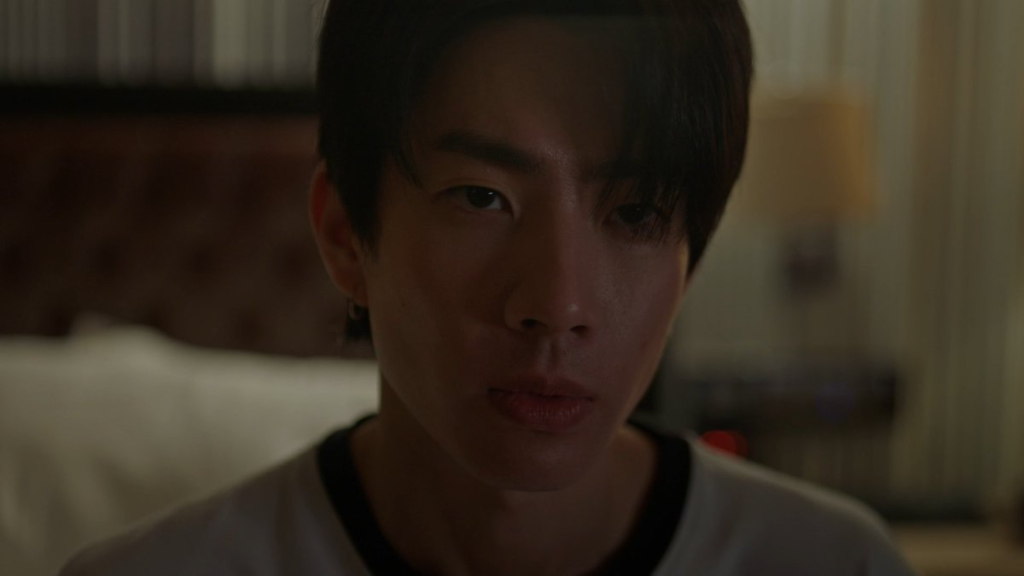
Jira: survival, art and contradiction
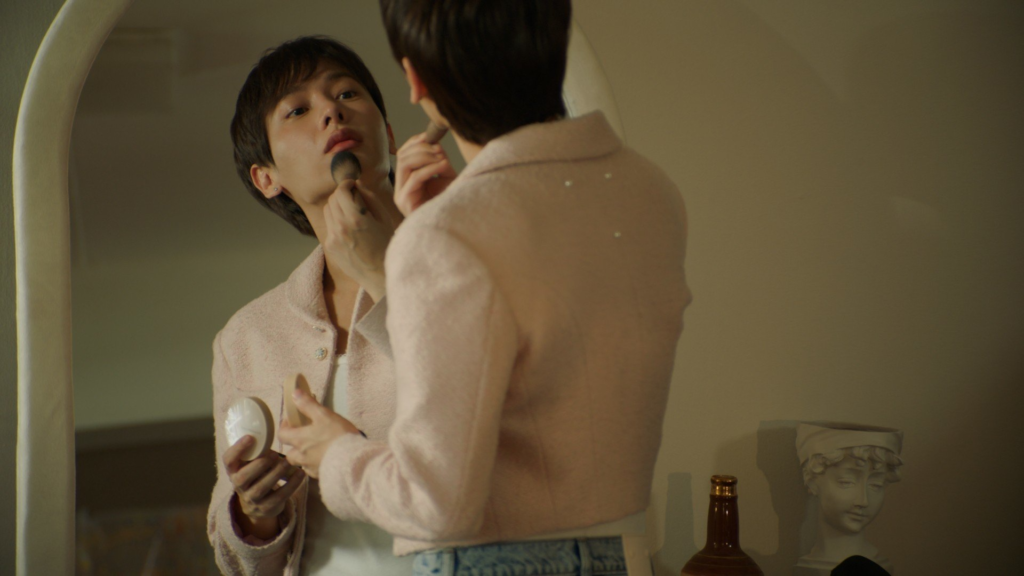
Jira has always been on the edge. From the start, we see a tired character trying to support himself, establish himself as an artist and survive in a system that demands too much and gives back little. He wants recognition, stability and affection all at once, and that puts him in constant conflict.
In the final arc, this tension explodes when artificial intelligence starts reproducing his art. For an artist, this isn’t just about technology, but about identity. It touches something much bigger than technique; it touches who he is.
His decision to break up with Ko comes from there. It’s not just about the relationship; it’s about creative survival. Jira makes mistakes, contradicts himself and, at times, acts selfishly. He turns to Pheem when he needs to, knows Pheem will give in and takes advantage of that. Not out of pure malice, but out of confusion, need and fear. That doesn’t make him a villain. It makes him human.
Pheem: obsession, affection and an arc that needed more time
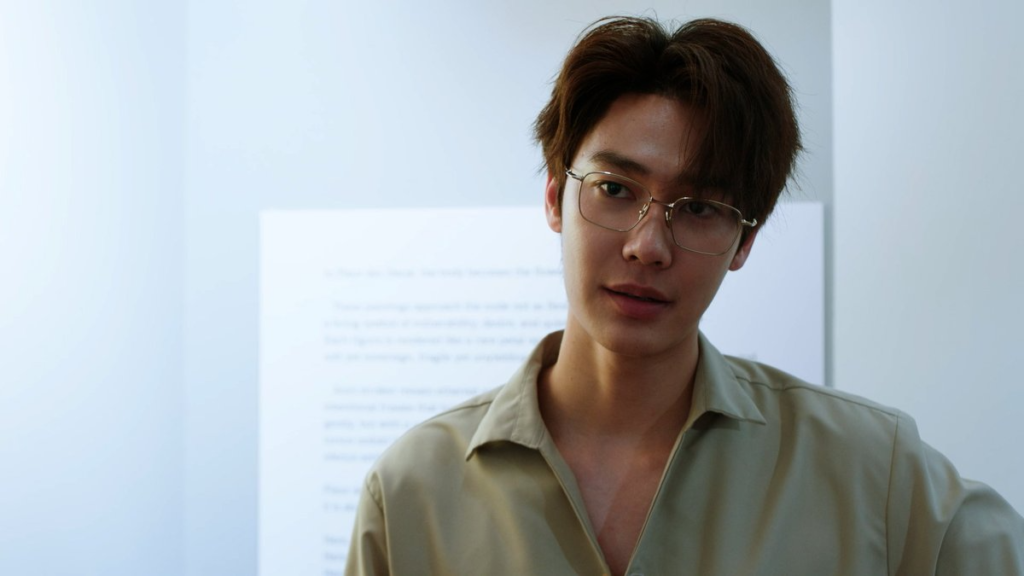
Pheem is driven by obsession. First with Ko, then with Jira. He’s always trying to prove himself, seeking to be chosen and turning affection into need. Dew delivers an intense, unstable and emotionally charged character who grows throughout the series.
The arc works, but it could have gone further. With the one-year jump, there’s a feeling that we missed following this internal process more closely. How did Pheem deal with the loss? Was there growth, retreat, stagnation?
His cycle closes beautifully in the silent scene where he takes Jira to Ko and says goodbye with a restrained hug. It’s symbolic and sensitive, but it leaves you wanting to see more of this character.
The time skip: necessary, but with gaps
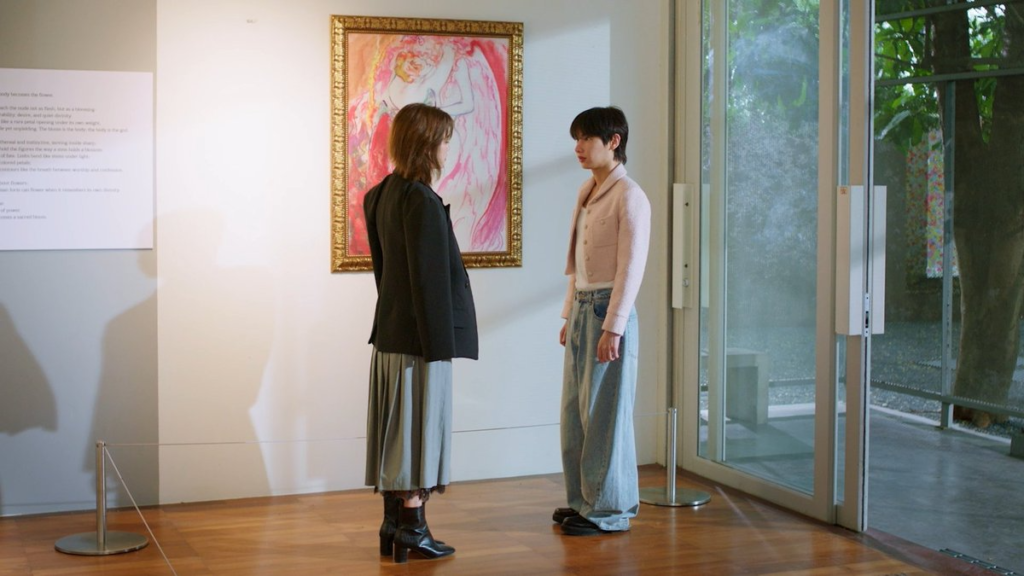
The one-year jump makes narrative sense. Ko and Jira needed to grow apart for something to change. This time creates maturity, distance and reflection.
Still, considering the series’ care with emotional development, you want to see this individual growth on screen too, even in small fragments. It doesn’t compromise the work, but it’s an opportunity that could have been explored.
Supporting characters who really matter
Ing, Mawin and Ben work as emotional anchors, bringing the leads back to reality when everything spins out of control.
They’re friends who help financially and emotionally and, above all, tell the truth when it needs to be told. The series gets it right by giving these characters relevance, reinforcing the feeling of a real world.
An ending consistent with everything that was built
Burnout Syndrome ends honestly. Ko and Jira’s reunion works because it respects everything that came before. The chemistry between Off and Gun remains intense, charged with tension, desire and history.
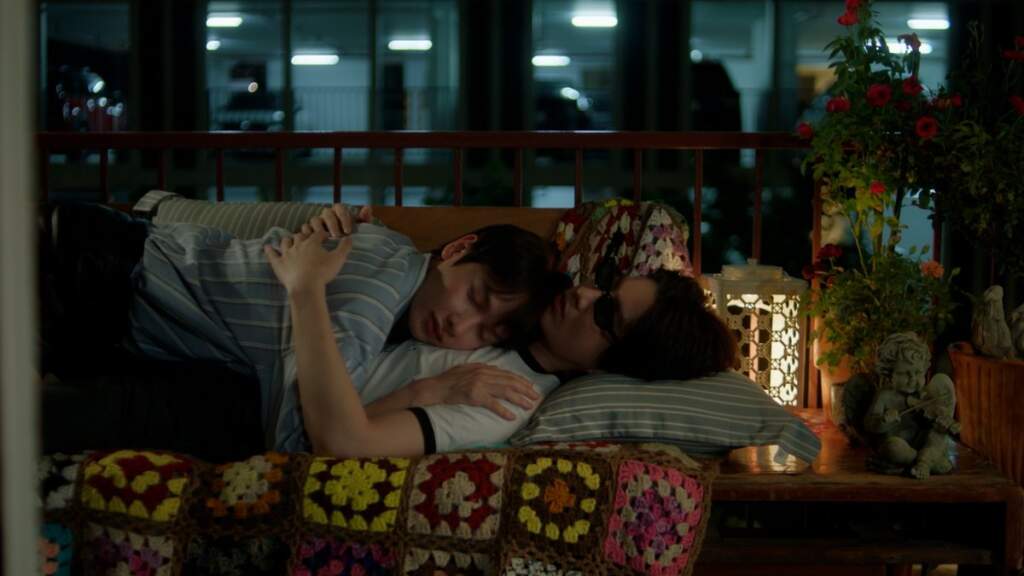
It’s an ending that could have shown more, but it stays true to the series’ premise. Burnout is brave, human and deeply connected to the reality of people trying to balance dreams, work, affection and survival.
In the end, it’s not a story about right or wrong.
It’s about people failing, trying again and learning along the way.
Enjoyed this review? Read more: click here.