
Burnout Syndrome is an intense, sensitive BL full of complex but, above all, deeply human characters. We're already at episode 7, and it feels like the narrative hasn't slowed down for a moment. On the contrary, it keeps deepening conflicts that have been building since the beginning, pushing each character a little closer to their …

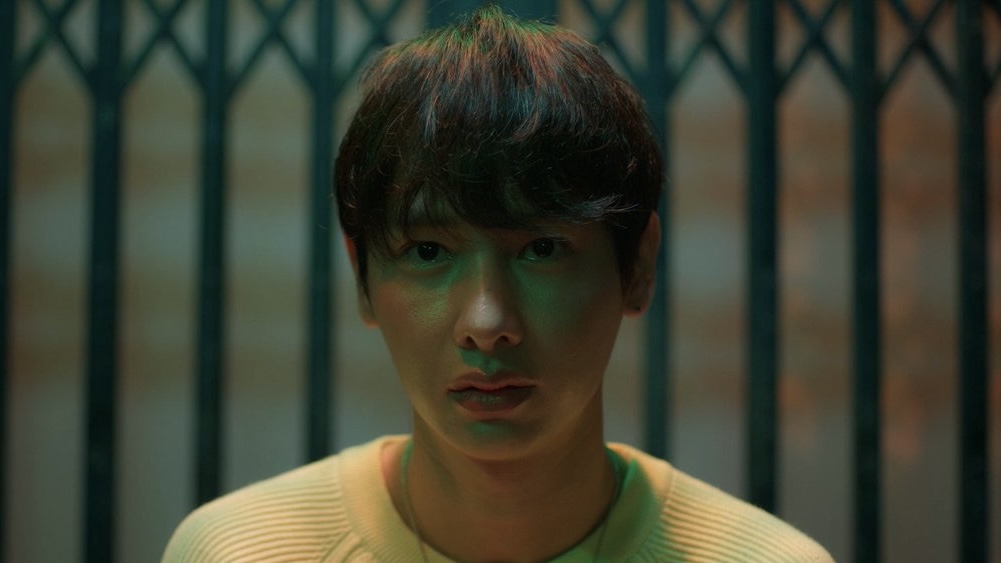
Burnout Syndrome is an intense, sensitive BL full of complex but, above all, deeply human characters. We’re already at episode 7, and it feels like the narrative hasn’t slowed down for a moment. On the contrary, it keeps deepening conflicts that have been building since the beginning, pushing each character a little closer to their own limits. From here on, there’s no more room to pretend everything is under control.
Characters at their limit
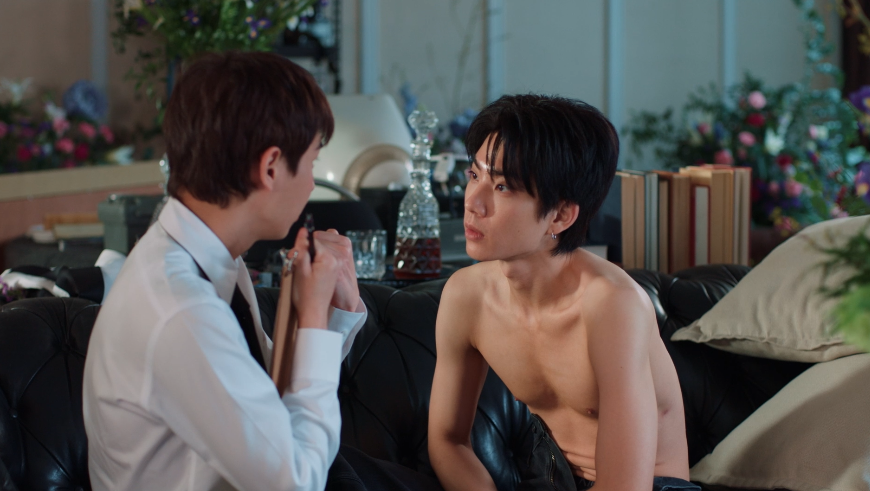
The three leads are in conflict, whether with each other or with themselves, and that becomes more and more evident throughout the episode.
Ko and emotional dependence
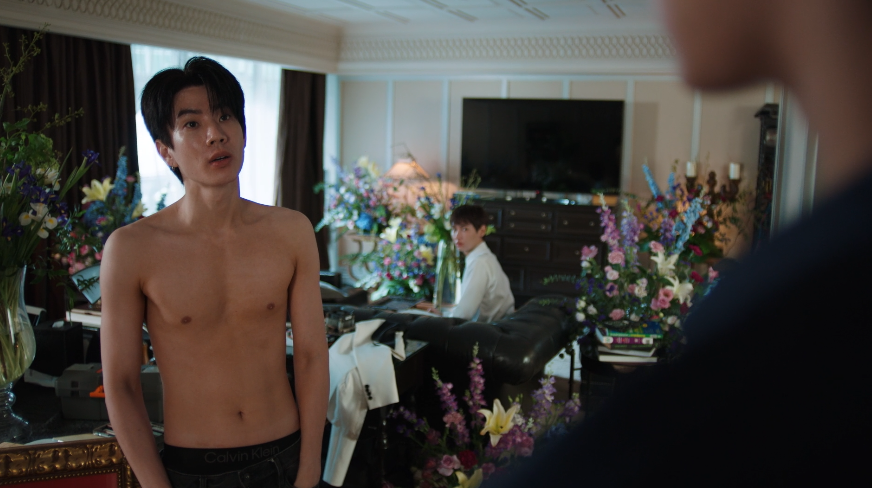
Ko is undoubtedly one of the most complex characters in the series. Melancholic, difficult and full of layers, he doesn’t know how to relate to people in a healthy way. It’s not that he doesn’t feel something for Jira, but he still doesn’t know how to love genuinely and in a balanced way. What stands out in this relationship is a very clear emotional dependence. Ko needs Jira’s presence, the routine and the comfort he offers. Jira ends up becoming the point of stability Ko can’t build on his own.
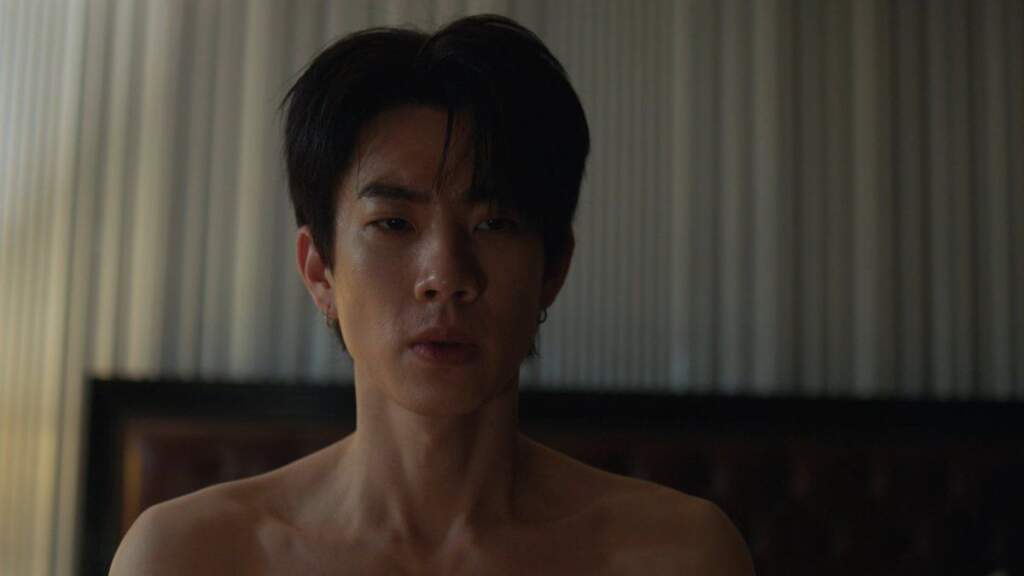
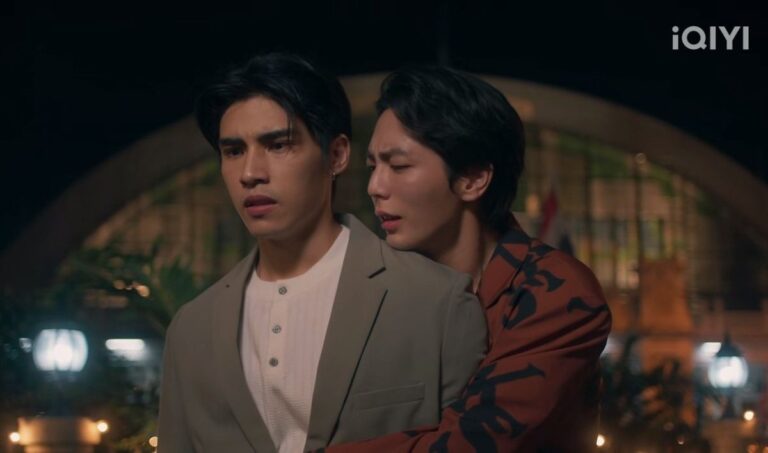
One of the strongest moments of the episode happens when Ko goes after Jira at his house. The series could easily romanticize this scene, especially given all the previous context, but it chooses another path. Jira stands his ground, sets boundaries and doesn’t give in. When Ko refuses to leave, it’s Jira himself who walks away. That gesture says a lot about the character. Even with all the emotional and financial pressure, he shows he’s not someone easy to manipulate. He respects himself.
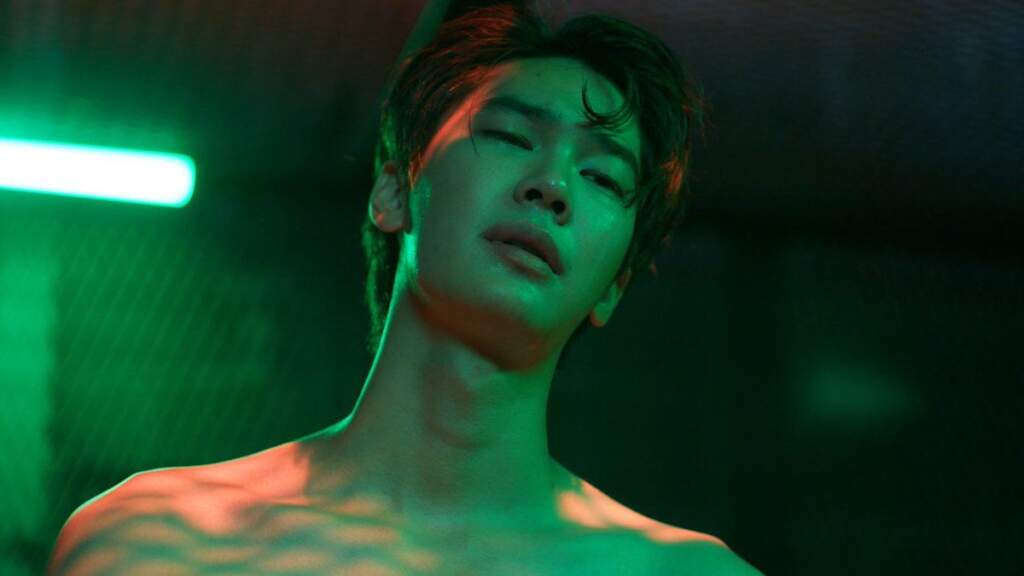
It’s right after this that Ko’s dependence becomes even more evident. Seeing Jira leave, he breaks an important personal barrier. Someone who always avoided social interaction and crowds ends up at a nightclub — a place he always avoided — simply to be near Jira.
Pheem and the explosion of lost control
The episode also makes it clear how emotionally unstable Pheem is. The outburst scene is one of the chapter’s big moments. He unloads accumulated frustrations, resentments and anguish in an intense and uncomfortable way. That’s where we see a side of the character Jira didn’t know yet — and maybe neither did the audience.
The most interesting thing is watching Jira’s reaction to this outburst. Ko has already caused pain, frustration and manipulation, but he never seemed to make Jira afraid. For the first time, that fear appears with Pheem. The scene’s energy changes completely. Jira realizes how unstable and unpredictable Pheem is and, unlike his arguments with Ko, here he feels cornered.
The symbolism of the body and art
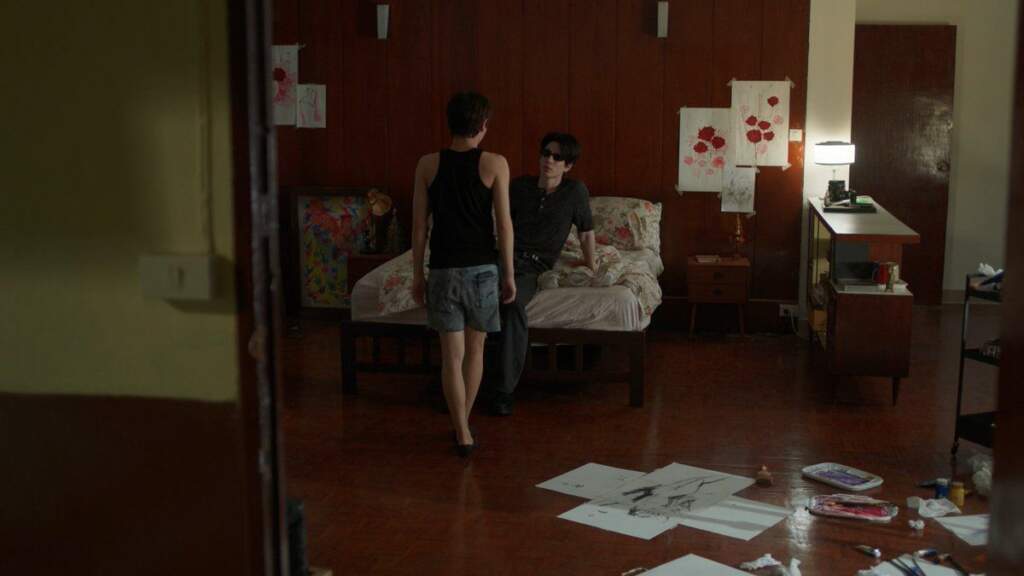
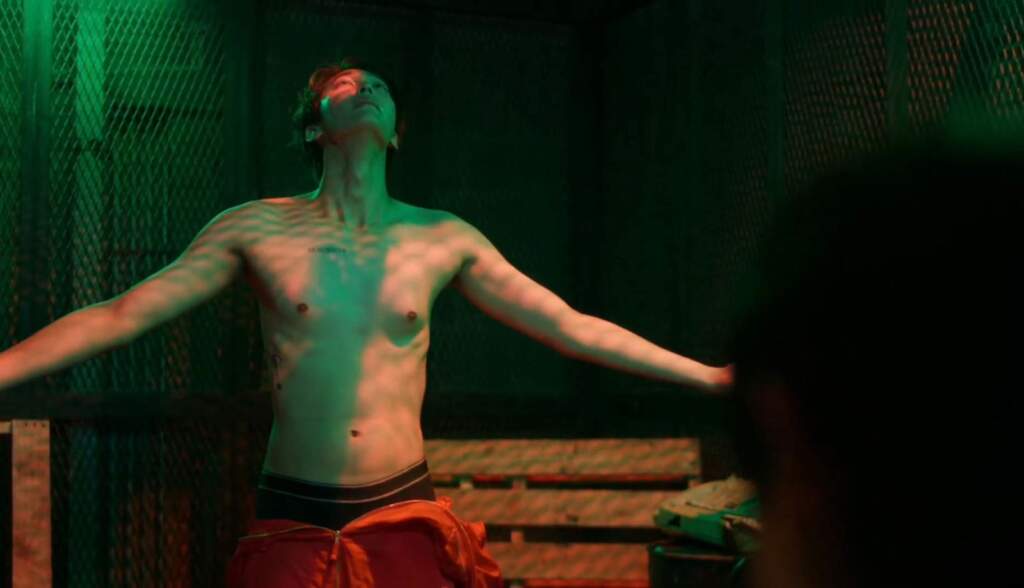
Still in this context, the scene where Jira decides to draw Pheem stands out for its symbolism. It’s after the emotional chaos that Jira feels inspired by that intense energy. When Pheem starts undressing, he doesn’t take off all his clothes. Unlike Ko, who tends to expose himself completely and show his vulnerability, Pheem hides in layers. This suggests he still can’t show himself fully, especially to Jira.
Competition, obsession and the need to be chosen
The dynamic between Pheem and Ko helps explain this behavior. There’s been a rivalry between them since childhood, but it shows up in very different ways. Ko competes with himself, while Pheem is always trying to prove himself. Even when he “wins,” he never feels good enough.
This obsession ends up shifting to Jira. Being chosen becomes a need. Pheem tries to push him to leave Ko, quit his job and get out of the situation. He even looks for a job so he can financially take the place Ko holds today. In the process, he doesn’t understand Jira, his art or his needs. Everything starts to revolve around Pheem himself.
Jira at the center of the collapse in Burnout Syndrome
At the center of it all is Jira, caught between Ko’s emotional dependence, Pheem’s obsession and his own dilemmas. Being an artist involves instability, late recognition and constant financial struggles. Ko offers security, recognition and even artistic inspiration — something Jira never had before. It’s not easy to break away from this dynamic, and that makes the conflict even more human.
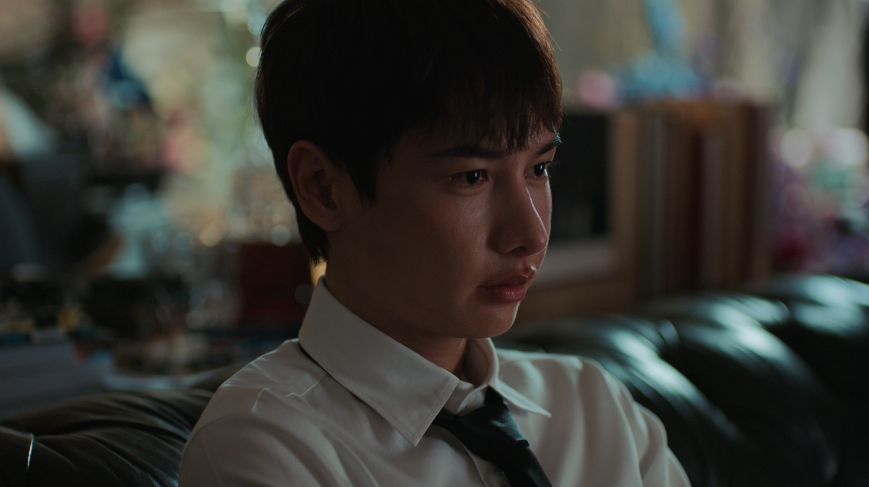
In the end, what’s most impressive about Burnout Syndrome is that no one is completely innocent. Everyone makes mistakes, everyone hurts others and everyone carries open wounds. Episode 7 reinforces this complexity by turning emotional conflicts into something real, uncomfortable and tangible, sustaining an engaging narrative and deeply human characters.
What about you? Which scene from this episode stuck with you the most?